
Sensitive Skin: What It Really Means and How to Treat It Properly

Why sensitivity isn’t a skin type and how to restore calm, resilient skin.
Introduction: Why This Matters
“Sensitivity” is one of the most common concerns I hear in the treatment room — and also one of the most misunderstood.
Many clients believe they simply have sensitive skin and that irritation, redness, or stinging is something they must manage forever.
In reality, sensitive skin is rarely a fixed condition. More often, it’s a signal that the skin’s protective and regulatory systems are compromised.
Understanding why your skin reacts is the first step toward calming it long term — rather than just avoiding products and hoping for the best.
The Science Behind It
What’s Really Happening in the Skin
Healthy skin has a strong barrier function, a balanced immune response, and effective cell‑to‑cell communication.
When this system is disrupted, nerve endings become more reactive, inflammation increases, and the skin’s tolerance threshold drops.
This disruption can be caused by:
- Barrier lipid depletion
- Chronic inflammation
- Overuse of active ingredients
- Environmental stressors
- Aggressive or frequent treatments
Once the barrier is compromised, irritants penetrate more easily and the skin responds defensively — this is what we experience as “sensitivity.”
Why Does This Show Up as Redness, Stinging or Burning?
- Transepidermal water loss increases
- Inflammatory mediators remain active longer
- Nerve endings become hypersensitive
This results in stinging when applying products, flushing, persistent redness, and an inability to tolerate treatments that once worked well.
What Most People Get Wrong
The most common mistake is treating sensitive skin as something to avoid treating. In reality, sensitive skin needs corrective care, not neglect.
Avoiding all actives, changing products constantly, or relying solely on “gentle” labels often prolongs the issue rather than resolving it.
Signs This Applies to You
- Stinging or burning when applying skincare
- Redness that lingers or flares unpredictably
- Breakouts alongside dryness or tightness
- Skin that reacts to products labelled “for sensitive skin”
- Treatments that stop working or cause irritation over time
Professional Treatments
Luxury Lymphatic Lift
For clients struggling with sensitive, reactive skin or a compromised barrier, our Luxury Lymphatic Lift is an ideal restorative treatment. This deeply calming facial works by gently stimulating the lymphatic system to reduce inflammation, flush metabolic waste, and improve circulation — key factors in supporting barrier repair and reducing redness, puffiness, and irritation.
By encouraging oxygen and nutrient delivery while easing nervous system stress, the skin is able to heal, strengthen, and function more efficiently, resulting in a calmer, more resilient complexion. Lymphatic Lift Facial — Book Now


Unsure what’s driving your sensitivity?
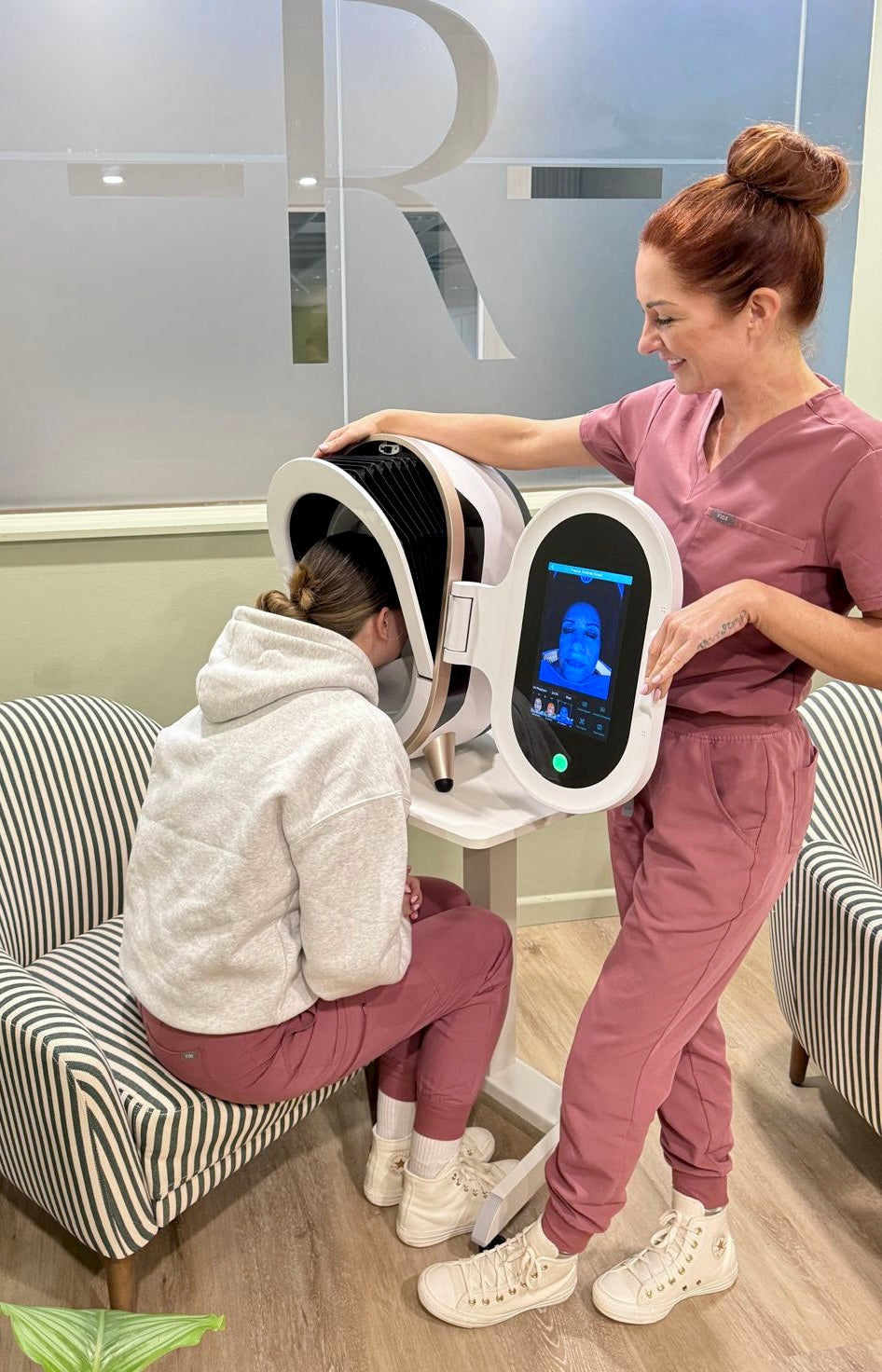
Start with an AI skin scan and skin expert consultation.
Whether it’s dehydration, barrier impairment, inflammation, or underlying congestion we recommend an AI skin scan. This advanced analysis provides a detailed, data-led insight into your skin’s condition, allowing us to tailor treatments and home care with precision and confidence.
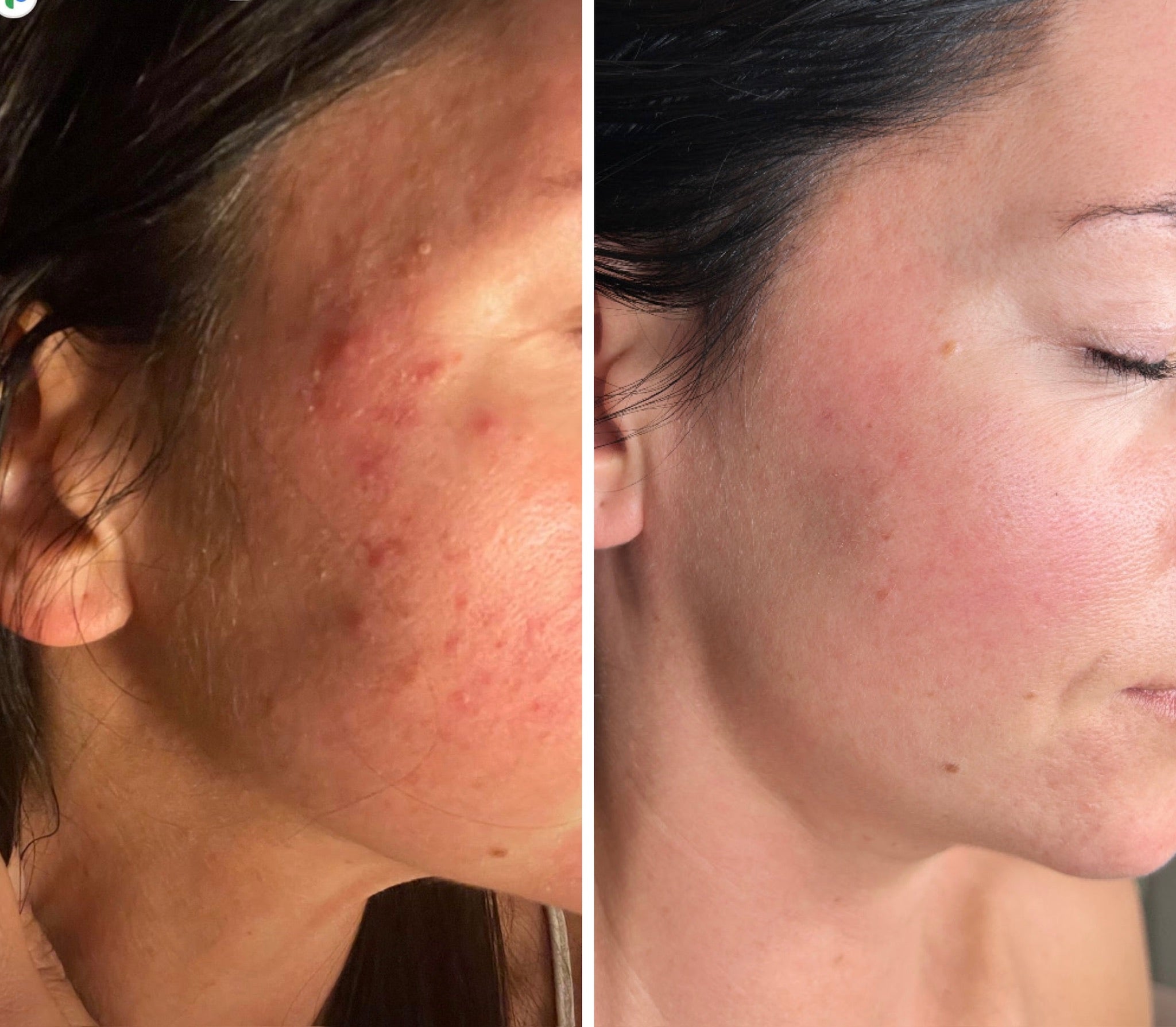
Before & After: Sensitivity Reduction
Don’t take our word for it—here’s an AI scan before starting with our treatments and after. You can see the sensitivity has reduced (green dots).

Facial treatments you need to book...

Deeply calming, de‑puffing and restorative — this treatment gently boosts lymphatic flow to ease inflammation and bring skin back into balance.
Targets: inflammation, congestion, impaired waste removal.
Why it works: improves cellular communication and reduces inflammatory buildup.
Lymphatic Lift Facial — Book Now
Microneedling Facial
Strengthen, smooth and regenerate with gentle micro‑channels that stimulate collagen only after your barrier is resilient enough.
Targets: resilience, repair signalling, long‑term tolerance.
Why it works: builds structure and repair capacity without overstimulation.
Microneedling Facial - Book Now

Homecare That Supports Results
Professional treatments are only effective when supported by appropriate homecare.
🧼 Cleanse & Prepare
Choose non‑foaming or low‑foaming cleansers that respect the skin’s lipid barrier. Over‑cleansing is one of the fastest ways to maintain sensitivity.


🛠️ Repair & Correct
Look for ingredients that support barrier repair and cellular communication:
- 🧱 Ceramides
- 🧴 Cholesterol & fatty acids
- 💧 Panthenol
- 🌙 Low‑dose, low‑irritation vitamin A (when appropriate)


🛡️ Protect & Maintain
Daily broad‑spectrum SPF is essential.


Key Takeaways
- Sensitivity is usually a condition, not a permanent skin type
- Barrier repair is the foundation of long‑term calm skin
- Professional treatments should support function, not overwhelm it
- Less stimulation, more consistency, better results
What To Do Next?
If your skin reacts easily and you’re unsure which approach is right, a professional consultation can prevent months — or years — of trial and error.
 The Author: Natalie Price
 Natalie Price is a Cardiff-based skincare expert with 18 years of experience. A certified aesthetician and founder of Rejuvenate Skin Experts, she shares educational content on Instagram at @rejuvenateskinexperts and @natalie_theskinexpert. Known for blending traditional massage techniques with evidence-based skincare, Natalie helps clients build calm, resilient, confident skin.

Comments